Rawalpindi Traffic Police Launches QR Panic Buttons in Public Transport for Passenger Safety
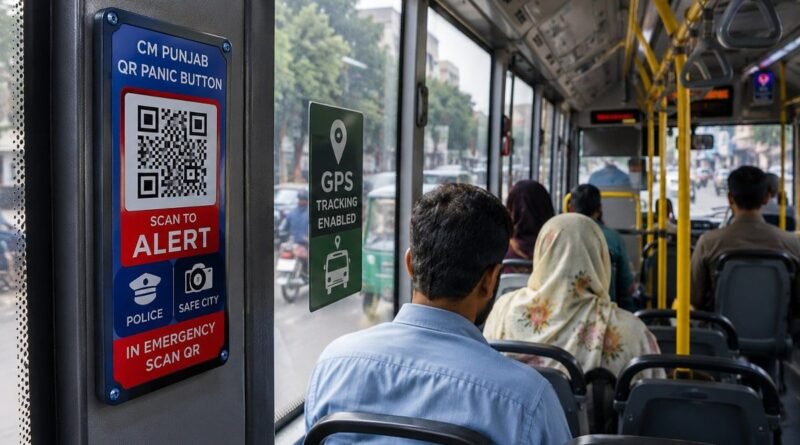
RAWALPINDI – The Rawalpindi Traffic Police has decided to install QR panic buttons and a GPS tracking system in public transport to enhance passenger safety across the city.
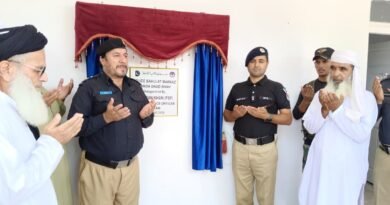
A police spokesman said the installation of the “CM Punjab QR Panic Button” in public transport has been formally launched. Chief Traffic Officer Farhan Aslam directed circle and sector in-charges to ensure the installation of QR panic buttons in all public transport vehicles.
The initiative will improve monitoring of public transport and assist police in investigating accidents and other incidents. Circle in-charges have initiated measures to install QR panic buttons in buses, wagons, rickshaws, and other public transport vehicles in Rawalpindi.
In case of an emergency, passengers will be able to contact the police and Safe City authorities immediately through the QR panic button. CTO Farhan Aslam said that a passenger’s live location and vehicle data would be transmitted instantly to the police during emergencies. Rawalpindi police will take timely action based on information received through the Punjab Safe Cities Authority.
The CTO said the QR panic button system would play an important role in protecting women, students, and millions of daily commuters. Citizens can obtain QR panic buttons free of cost through the Public Safety App and the Safe City website. The public is also being educated about the use, benefits, and safety features of the QR panic button.
Public transport is being transformed into a modern digital safety network through the cooperation of Rawalpindi Traffic Police and the Punjab Safe Cities Authority, the CTO added.
He further stated that the modern system would help protect citizens, prevent crime, and assist in accident investigations. Citizens will be provided with safer, more reliable, and higher-quality travel facilities through the use of modern technology. Technology-based measures will significantly improve traffic discipline and public safety, Mr Aslam concluded.