
Sindh and NDMA Strengthen Coordination for Flood, Urban Flooding and Heatwave Preparedness
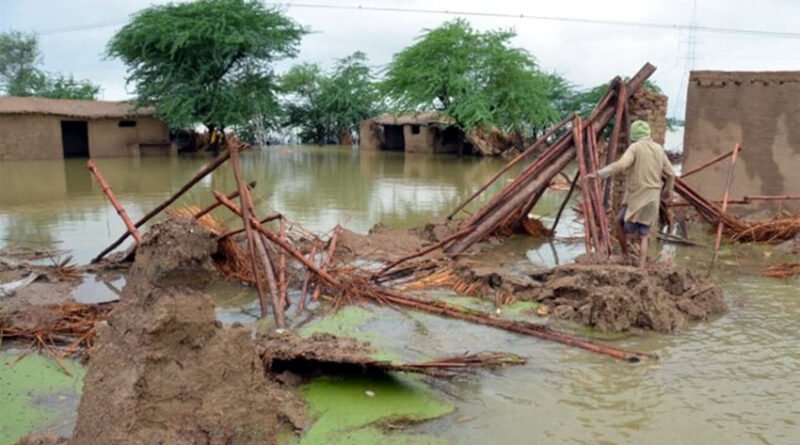
Karachi: The Government of Sindh and the National Disaster Management Authority (NDMA) have enhanced coordination to strengthen preparedness for floods, urban inundation, and heatwaves during the ongoing monsoon season, with the introduction of a new predictive disaster intelligence system.
The meeting, held at the Chief Minister’s House in Karachi, was co-chaired by Sindh Irrigation Minister Jam Khan Shoro and Federal Minister for Climate Change Dr Musadik Malik. It was attended by Sindh Chief Secretary Asif Hyder Shah, Karachi Mayor Barrister Murtaza Wahab, NDMA Chairman Lt Gen Inam Haider Malik, and senior federal and provincial officials.
Participants were informed that Pakistan faces increasing climate-related risks, including glacial lake outburst floods (GLOFs), cloudbursts, flash floods, riverine flooding, urban flooding, cyclones, and heatwaves. Weather forecasts indicate above-normal temperatures, humid conditions, and an active monsoon season between 15 July and 30 August.
The NDMA presented its National Resilience and Disaster Management Coordination Framework, highlighting the transition from conventional early warning systems to predictive disaster intelligence through the National Emergencies Operation Centre (NEOC).
NDMA Chairman Lt Gen Inam Haider Malik said the new system would improve the country’s ability to anticipate hazards, issue timely advisories, and support informed decision-making by disaster management authorities at all levels.
The meeting was informed that flood protection embankments are being surveyed in collaboration with the armed forces, while the National Highway Authority (NHA), Pakistan Railways, and other critical agencies have been placed on alert. A 24-hour coordination mechanism between federal and provincial Emergency Operations Centres (EOCs) has also been activated to strengthen emergency response.
Federal Climate Change Minister Dr Musadik Malik emphasised that climate change is no longer a future challenge but an immediate reality requiring coordinated action among all levels of government to improve disaster preparedness and resilience.