Jamaat-e-Islami Demands Increase in KMC Budget to Rs300 Billion
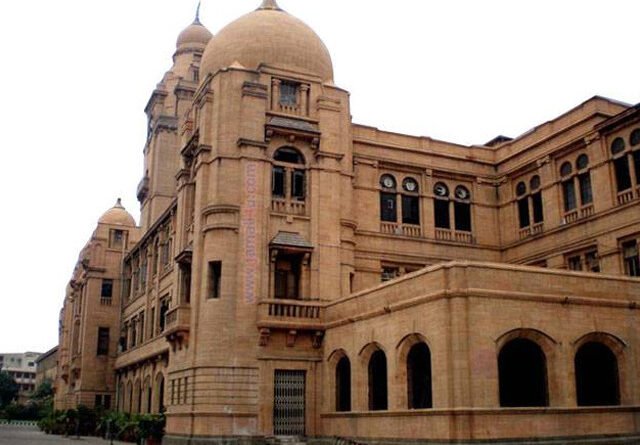
KARACHI: Jamaat-e-Islami has termed the proposed Karachi Metropolitan Corporation (KMC) budget for the fiscal year 2026–27 inadequate for the city’s growing needs and has called for an increase from Rs60 billion to at least Rs300 billion.
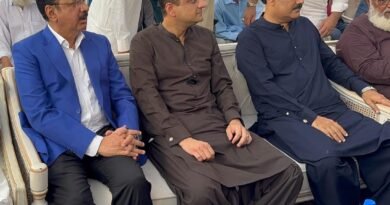
Addressing a press conference, Saifuddin Advocate, the Opposition Leader in the City Council, said that a metropolis with an estimated population of 35 million cannot be effectively managed with a budget of only Rs60 billion.
He argued that KMC’s financial resources could be significantly enhanced if the local government received 100% of the Motor Vehicle Tax, a fair share of the Infrastructure Cess, Octroi and Zila Tax (OZT), and an appropriate allocation under the Provincial Finance Commission (PFC) Award.
Saifuddin further demanded that development funds be transferred directly to Town Municipal Corporations (TMCs)and Union Committees (UCs), proposing an allocation of at least Rs100 million for each Union Committee to enable local authorities to address community-level issues more effectively.
Criticizing the Sindh government’s fiscal policies, he said that despite claims of empowering local governments, KMC continues to rely heavily on provincial financial support. According to him, the corporation’s own-source revenue accounts for only around 20% of its total budget, amounting to approximately Rs6 billion annually.
He also questioned the allocation of resources, stating that despite separate budgets for the Karachi Water and Sewerage Corporation (KWSC) and the Sindh Solid Waste Management Board (SSWMB), Towns and Union Committees are still spending their limited funds on water supply, sewerage, and sanitation services, weakening the local government system.
The opposition leader claimed that despite expenditures of approximately Rs201 billion since 2021, Karachi has witnessed little improvement in road infrastructure, sanitation, water supply, and other municipal services.
He called for the restoration of key municipal functions, including water supply, sewerage, and solid waste management, under the administrative control of KMC, arguing that elected local representatives would be better positioned to address citizens’ needs.
Saifuddin concluded by reaffirming Jamaat-e-Islami’s commitment to advocating for greater financial and administrative autonomy for local governments and improved municipal services for the residents of Karachi.